
How to Bleed a Water Heater: Step-by-Step Guide, Safety Tips & When to Call a Pro
If your water heater is making unusual noises, delivering inconsistent hot water, or showing signs of trapped air or pressure issues, you may be wondering how to bleed a water heater. In some systems, bleeding can help release trapped air and improve proper water flow—but the correct procedure depends on the type of water-heating system you have. If you are unsure whether bleeding is appropriate, it is safer to have a professional inspect the system before opening any valves.
KZ Express Appliance Repair provides dependable appliance repair services throughout Baltimore, Dundalk, Essex, Middle River, Rosedale, Parkville, Towson, and surrounding Maryland communities. If you are experiencing ongoing hot water problems or are unsure whether your water heater needs bleeding, our technicians can identify the cause and recommend the right repair without unnecessary replacement.
Water Heater Inspection
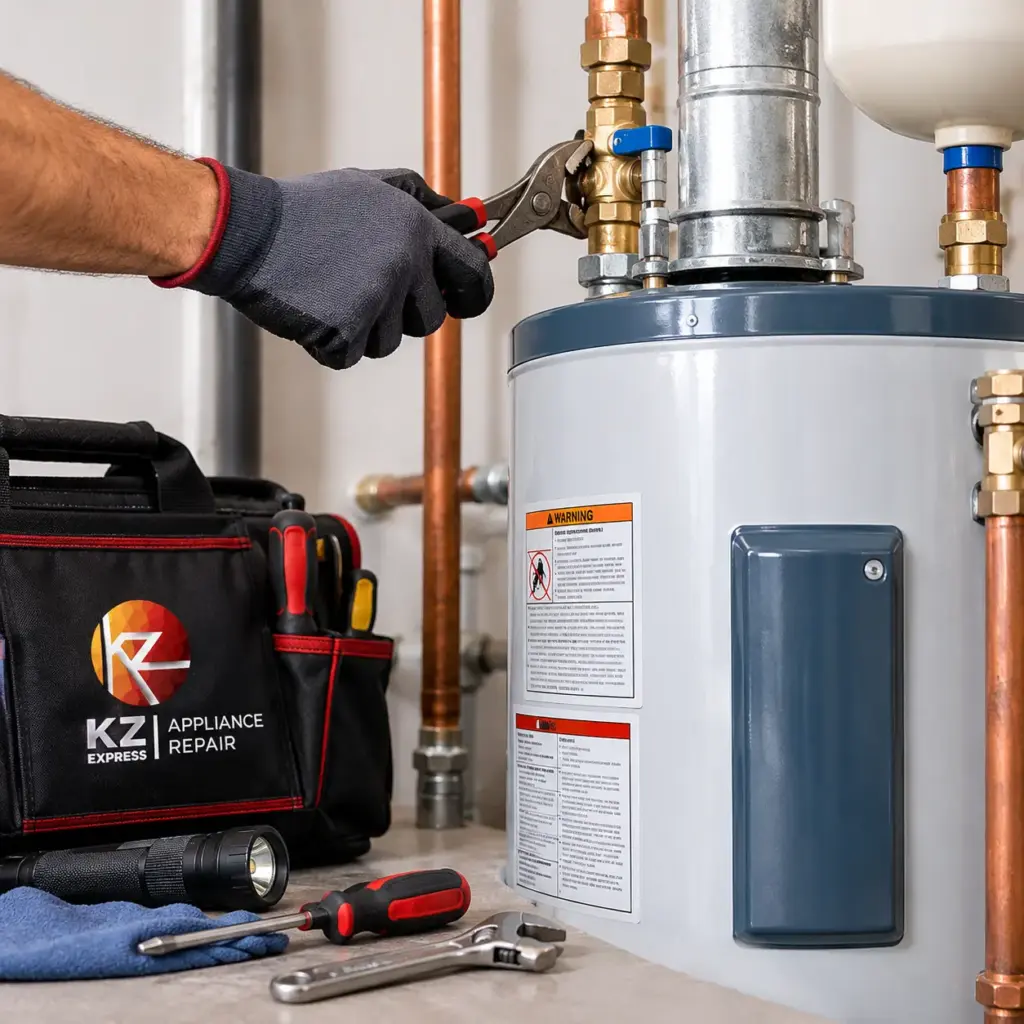
Quick Information
Difficulty: Moderate
Estimated Check Time: 5–10 Minutes
Tools Needed: Flashlight, Screwdriver
Safety: Unplug the appliance before inspection. If your water heater is gas-powered, do not attempt to work on gas connections or controls yourself.
Signs Your Water Heater May Need Bleeding
Not every water heater problem means you need to bleed a water heater. However, trapped air or circulation issues can sometimes be associated with several noticeable symptoms.
Look for these signs:
- Inconsistent water temperature: Hot water may turn cool unexpectedly, fluctuate while the faucet is running, or take longer than usual to reach the desired temperature.
- Gurgling or bubbling sounds: You may hear unusual gurgling, bubbling, or rushing-water noises coming from the tank or connected pipes.
- Sputtering or uneven hot-water flow: Hot water may come out in spurts or briefly sputter when a faucet is turned on, especially after plumbing work or a water-supply interruption.
- Slow hot-water delivery: Hot water takes noticeably longer than usual to reach faucets or showers.
- Recurring symptoms: If these problems persist or keep returning, the cause may be more than trapped air and may require professional diagnosis.
Important
These symptoms can also be caused by sediment buildup, a failing heating element, thermostat problems, pressure issues, plumbing restrictions, or other components. Bleeding water heater systems is not a universal fix, so identifying the actual cause is important before opening valves or draining the system. If you are experiencing ongoing hot water problems, KZ Express Appliance Repair offers a full range of appliance repair services in the Baltimore area and can help identify the actual cause before you open valves or attempt a repair yourself.
Common Causes: Why Does a Water Heater Need Bleeding?
If you are wondering why you may need to bleed a water heater, the underlying issue is often related to air, water flow, or another problem within the system. However, the exact cause depends on the type of water heater and plumbing system.
1. Trapped Air in the System
Air can become trapped in parts of the hot-water system, which may cause gurgling sounds, sputtering faucets, or inconsistent water flow. In systems designed with air-release or bleeding points, removing trapped air may help restore normal circulation.
2. Air Entering the Hot-Water Lines
If there has been recent plumbing work, maintenance, or a disruption in the water supply, air can enter the lines. This may lead to temporary sputtering or uneven water flow when hot-water faucets are opened.
3. Sediment or Mineral Buildup
Sediment accumulating inside a tank can interfere with normal operation and contribute to unusual noises or reduced efficiency. Bleeding a hot water tank does not remove sediment—a tank with significant buildup may require flushing or professional service instead.
4. Water Pressure or Flow Problems
Changes in water pressure, partially restricted pipes, or valve problems can sometimes create symptoms that look like trapped-air issues. In these situations, simply trying to bleed a hot water tank may not solve the underlying problem.
5. A Failing Water Heater Component
A faulty thermostat, heating element, pressure-related component, or another internal part can cause inconsistent hot water and unusual operation. If symptoms continue after basic checks, the problem may require professional diagnosis rather than bleeding the system.
Important: The phrase “bleed water heater” can refer to different procedures depending on the system. A standard tank water heater is not necessarily “bled” in the same way as a hydronic heating system. Always identify the type of system before opening a valve or attempting a repair.
Air Vent Valve in a Hydronic Heating System
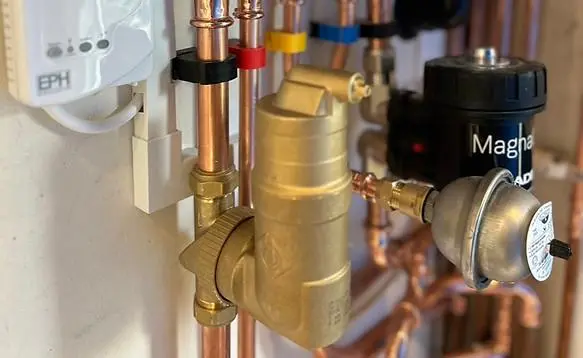
Important: This is an illustrative image of a component in a hydronic heating system; it does not imply that every residential water heater requires bleeding.
When Should You Bleed a Water Heater?
Bleeding a water heater is appropriate only for systems designed to release trapped air through a designated air-release point. Some hydronic heating systems require this procedure, but a conventional tank water heater does not typically need bleeding in the same way. If you notice sputtering faucets, unusual noises, or inconsistent hot water, identify the cause before opening any valves. When in doubt, consult a qualified technician.
Important Safety Warning
Do not attempt to bleed a water heater unless you have confirmed that your specific system is designed for this procedure and you understand the manufacturer-approved instructions. A conventional tank water heater does not typically require bleeding in the same way as a hydronic heating system.
Never loosen fittings, remove valves, or open a pressure-relief valve to release trapped air. Hot water, steam, and pressurized components can cause serious burns or injuries. If you cannot identify the correct air-release point or are unsure how to proceed safely, stop and contact a qualified professional.
What Can You Safely Check or Fix Yourself?
Before you try to bleed a water heater, first determine whether the symptoms are actually related to trapped air. Some basic checks are reasonable for a homeowner, but you should avoid opening gas controls, electrical panels, pressure-relief components, or unfamiliar valves.
Safe DIY Checks
1. Check the hot-water faucets
If a hot-water faucet sputters after plumbing work or a water-supply interruption, observe whether the problem clears during normal use. Do not open valves or dismantle any part of the water heater to release air. If sputtering continues or returns, have the cause checked by a qualified professional.
2. Check for visible leaks
Use a flashlight to inspect around the water heater, nearby pipes, and visible connections. A leak, dripping valve, or wet area should not be ignored.
3. Check the water heater’s visible connections
Look for obvious signs of corrosion, loose-looking connections, or unusual moisture. Do not tighten or remove components if you are unsure what they control.
4. Listen for unusual sounds
Gurgling, bubbling, popping, or repeated banging can provide useful clues. Keep in mind that unusual sounds can also result from sediment buildup rather than trapped air.
When DIY Is Reasonable
A basic inspection may be reasonable when the symptoms are mild, there are no leaks, there is no smell of gas, and you are only checking accessible parts of the system.
If your system has a specific manufacturer-approved procedure for releasing trapped air, follow the manufacturer’s instructions for your exact model rather than opening a valve based on a generic online guide.
Don’t Attempt to Bleed It If You’re Unsure
If you cannot identify the correct valve, the system is gas-powered and you are unsure about the controls, water is leaking, or the problem involves electrical components, stop before attempting to bleed a hot water heater yourself.
For persistent hot-water problems, professional diagnosis can prevent a simple issue from becoming a larger repair.
Before attempting to bleed a water heater, make sure the procedure is appropriate for your system. For general water heater maintenance guidance, the U.S. Environmental Protection Agency’s recommendations for hot water systems cover basic inspections and maintenance considerations. Always follow the instructions for your specific system, and consult a qualified professional if you are unsure which valve or component to check.
Safety Tip
- Turn off the water heater and let it cool before inspecting or attempting any procedure.
- Unplug an electric water heater before working around accessible electrical components.
- If you have a gas water heater, do not disconnect, adjust, or relight gas components unless you know the manufacturer-approved procedure.
- Never open an unfamiliar valve or remove a pressure-relief component just to try to bleed a water heater. Hot water and pressurized systems can cause serious burns or other injuries.
- If you see a leak, smell gas, notice damaged wiring, or are unsure which valve controls the system, stop and contact a qualified professional.
Gas-fired water heaters can pose a carbon monoxide risk if they malfunction or vent improperly. Never attempt gas-related repairs without the proper training, and review the U.S. Consumer Product Safety Commission’s carbon monoxide safety guidance for important prevention tips.
When to Stop and Call a Technician
A basic inspection can help identify simple issues, but bleeding a water heater is not the right solution for every hot-water problem. Stop your DIY inspection and contact a professional if you notice any of the following:
- Water is leaking from the tank, pipes, valves, or connections.
- You hear persistent popping, banging, or loud gurgling even after basic checks.
- Hot water is consistently too hot, too cold, or running out unusually quickly.
- Faucets continue to sputter or release air after the water supply has returned to normal.
- You cannot identify the correct valve or are unsure how to bleed a water heater safely.
- The water heater has damaged wiring, burned connections, or electrical components that appear unsafe.
- You smell gas around a gas water heater. Leave the area and seek appropriate professional assistance rather than attempting a repair yourself.
- The problem keeps returning after you have completed a basic inspection.
If you’re dealing with recurring hot-water problems in Baltimore, Dundalk, Essex, Middle River, Rosedale, Parkville, Towson, or nearby Maryland communities, KZ Express Appliance Repair can inspect the system, identify the actual cause, and recommend the appropriate repair instead of assuming that bleeding the system will solve the problem.
What Happens If You Ignore the Problem?
Ignoring unusual water-heater symptoms can allow a small issue to develop into a more expensive repair. If the underlying cause is not addressed, you may notice:
- Less reliable hot water — Temperature fluctuations or slow hot-water delivery may become more frequent.
- Higher energy use — A water heater that is struggling to operate efficiently may require more energy to maintain the desired temperature.
- Increasing noise — Persistent gurgling, popping, or banging can indicate an underlying problem such as sediment buildup or another component issue.
- Leaks and water damage — A leaking connection, valve, or tank can eventually cause damage to surrounding floors, walls, or belongings.
- Component damage — Continuing to operate a system with a faulty component can sometimes place additional strain on other parts.
- A more expensive repair — Delaying diagnosis may turn a manageable problem into a larger repair or, in some cases, premature water-heater replacement.
If your water heater continues to show symptoms after basic checks, don’t keep trying to bleed the water heater repeatedly. The better approach is to identify why the symptoms are happening and address the underlying problem.
Need help? KZ Express Appliance Repair serves Baltimore, Dundalk, Essex, Middle River, Rosedale, Parkville, Towson, and surrounding Maryland communities. Contact us if your hot-water problem keeps returning or you’re unsure what is causing it.
How KZ Express Diagnoses Water Heater Problems
At KZ Express Appliance Repair, we first identify why a water heater is making unusual noises, delivering inconsistent hot water, or showing signs of trapped air. The repair depends on the type of system and the cause of the problem.
-
Inspect the system: Check accessible pipes and connections for leaks, corrosion, or visible damage.
-
Identify the cause: Determine whether the symptoms may be related to trapped air, sediment buildup, restricted water flow, or a faulty component.
-
Choose the appropriate repair: If bleeding is necessary for the specific system, follow the manufacturer’s procedure. Other problems may require flushing or component repair.
-
Check operation: After the repair, verify that the system operates normally and check for signs of leaks.
Water Heater Problems: Symptoms, Causes, and When to Call a Technician
| Symptom | Possible Cause | DIY | Call a Technician |
|---|---|---|---|
| Hot water sputters from faucets | Air in the water lines, especially after plumbing work | ✅ Observe whether the sputtering stops after the water supply stabilizes | If sputtering persists or returns |
| Gurgling noises | Possible trapped air or water-flow issues | ✅ Note when the noise occurs | If the noise continues or becomes louder |
| Popping or rumbling sounds | Possible sediment buildup inside the tank | ✅ Check the manufacturer’s maintenance instructions | If the noise is persistent or unusual |
| Inconsistent water temperature | Heating element, thermostat, or other system issue | ✅ Check the temperature setting if safe | If temperature changes continue |
| Low hot-water flow | Restricted pipe, valve, or plumbing issue | ✅ Compare hot- and cold-water flow at a faucet | If the restriction persists |
| Water leaking around the heater | Leaking connection, valve, or damaged tank | ❌ Do not dismantle or open pressurized components | ✅ Arrange professional inspection promptly |
Frequently Asked Questions
1. How do you bleed a water heater?
The correct procedure depends on the type of system. Some heating systems have designated air-release valves, while conventional tank water heaters may require a different diagnosis. Check the manufacturer’s instructions before opening any valve.
2. How to bleed water heater systems safely?
Before attempting to bleed a water heater, identify the type of system and confirm that trapped air is the likely cause. Avoid opening pressure-relief valves or unfamiliar fittings. If you are unsure which procedure applies, consult a qualified technician.
3. How to bleed a hot water tank?
A conventional hot water tank does not usually need routine bleeding like a hydronic heating system. If faucets sputter after plumbing work, the air may be in the water lines rather than the tank itself.
If you are searching for how to bleed hot water tank systems, first confirm whether your setup has a designated air-release procedure.
4. How to bleed a hot water heater that makes gurgling noises?
Gurgling can be caused by trapped air, but it can also indicate sediment buildup or water-flow problems. If the noise persists, have the system inspected instead of assuming bleeding will fix it.
5. How often should you bleed a hot water tank?
There is no universal schedule for bleeding a conventional water heater. Follow the manufacturer’s maintenance recommendations for your specific model and system.
6. Can trapped air cause inconsistent hot water?
Air in plumbing lines can cause sputtering and uneven flow, but inconsistent water temperature may also result from a faulty thermostat, heating element, or another component.
7. When should I call a technician for water heater problems?
Contact a professional if you have persistent noises, recurring sputtering, inconsistent hot water, leaks, or uncertainty about which valve to use. If you smell gas, leave the area and seek appropriate emergency assistance.
For more practical advice on keeping your household appliances running smoothly, explore our Appliance Repair Tips for helpful troubleshooting guides and appliance care tips.
